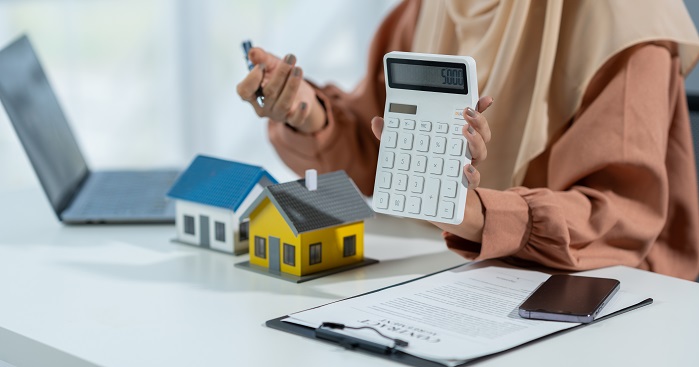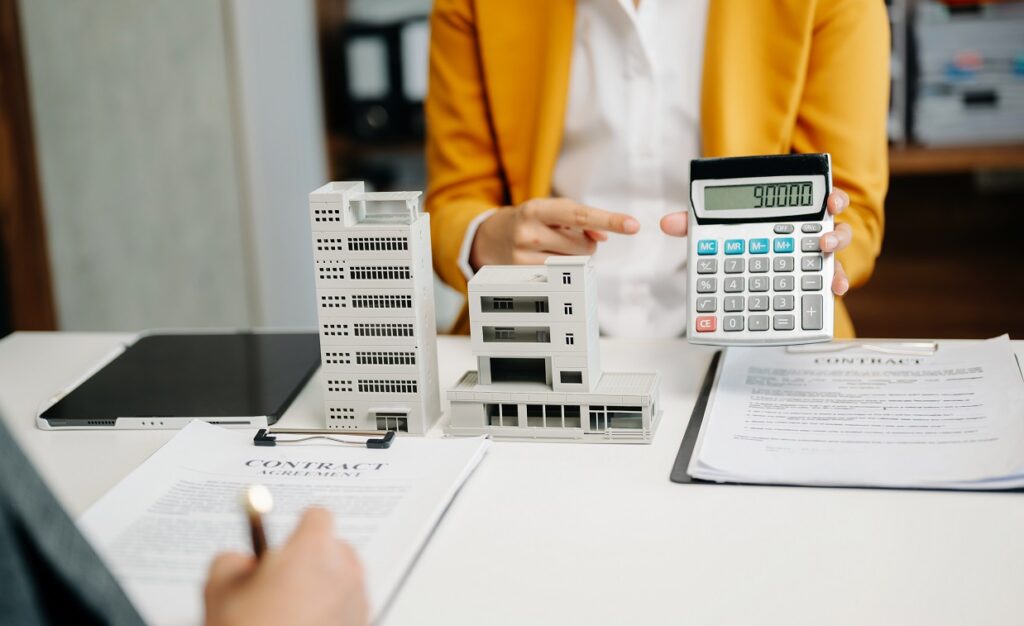
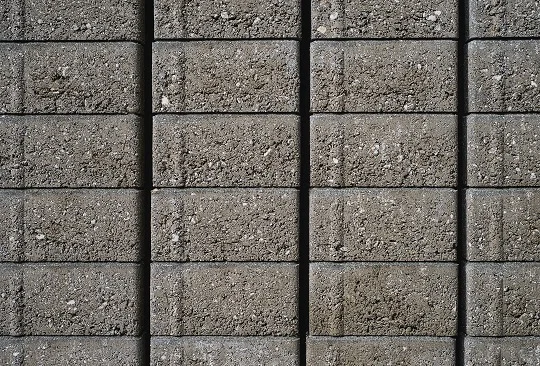
When building a concrete block wall, the number of blocks is not the only factor to consider; the cost is equally important. A concrete block wall cost calculator is an online tool that helps you estimate the cost of concrete. It gives you an idea of how much the block wall construction will cost. You have to add the dimensions and the cost of concrete blocks and other data, after which the calculator provides you with the estimate.
The Usage of the Block Wall Cost Calculator
Concrete block wall constructions are a popular construction decision. It is durable, flame-free, free and inexpensive. There is, however, one problem that always arises: budgeting. How much will materials cost? How many blocks do you need? A block wall cost calculator will come in handy there. The tool is common at construction sites in the United States. It assists in project planning, project avoidance, and timelines.
Why a Concrete Block Wall Cost Calculator Matters
Manually, it is difficult to compute the costs. There are many variables:
- Block size and type
- Cement
- Labor costs
- Wall dimensions
You can easily do it with a concrete calculator. Add the size of the entire wall and block size. It will calculate the blocks, mortar, and approximate cost. This reveals the true worth of appropriate planning instruments. A 2024 report by the National Association of Home Builders says builders who used digital calculators wasted 18% less material. They bought just what they needed. This saved money and cut extra waste.
How the Block Wall Cost Calculator Works?
The calculator is a powerful yet easy one. You provide:
- Wall length and height
- Block size
- Optional: type of mortar or labor rates.
It calculates:
- Number of Blocks Required: Takes into consideration the size of blocks and mortar spaces.
- Mortar Volume: Some calculators can show how much mortar is needed for each cubic foot of wall.
- Total Cost: It can contain local block and mortar averages.
This cuts down guesswork and hastens planning.
The benefits of using a block wall cost calculator
Here are some benefits:
Accurate Budgeting
The process of overestimating consumes profits. When a project is underestimated, it will come to a halt. The calculator makes a tradeoff.
Time-Saving
Hours of calculations are replaced with minutes. Construction managers are able to concentrate on performance.
Waste Reduction
The fewer additional blocks will be a cost and environmental savings measure. Most states, such as California, promote material efficiency to reduce landfill waste.
Case Study: Florida Mass Commercial Project
In 2024, a Florida construction firm intended to construct a warehouse. The walls were going to be massive concrete block structures. The project involved many walls with different heights. Amounting to more than 15,000 square feet.
Without proper estimates, this project could have faced big delays and extra costs. The company decided to use a block wall cost calculator in its planning. The following process took the following:
Phase 1: Preliminary Measures and Variables
Wall lengths and heights were measured using laser equipment by the engineers. Supplier confirmation was done on block size and type of mortar. The following details were typed into the calculator.
Step 2: Intensive Material Estimation
- Calculator came up with a line-by-line analysis:
- Total amount of blocks to be used on all walls.
- Volume of mortar required in the whole project.
- Estimated cost with the present-day market prices.
This was accurate within 2 percent of the future ordered item, thus reducing the risk of excessive and under-ordering.
Step 3: Budget Optimization
The project manager used the calculator to talk to suppliers. Knowing the exact amount of materials needed stopped the company from paying too much for bulk orders. They also planned deliveries according to construction progress. This saved money on storage. Less material waste also happened because fewer materials went bad.
Step 4: Inspections in Construction
During construction, the walls needed changes like adding doorways and small openings. The calculator helped the team quickly find out how much material was needed. This saved time and money.
Step 5: Waste Management
The calculator in the project reduced material waste by 15% compared to similar projects. Leftover blocks were kept low, and mortar was measured well to create less waste.
Step 6: Outcome and Insights
The project was completed within schedule and budget. It saved almost 20,000 in materials and labor by using the calculator. The team did encounter fewer problems. The coordination between engineers, contractors, and suppliers was perfect. This case study reflects the usefulness of the concrete calculator in addition to using mere estimation. It provides:
- Reliable budgeting
- Efficient scheduling
- Effective waste reduction
- Live engineering of changes.
Key Factors That Affect Block Wall Costs
Finally, despite a calculator, several factors may affect final costs:
- Block Type: Concrete, cinder, or decorative blocks differ in costs.
- Mortar Type: Standard mortar is less expensive than high-strength mixes.
- Labor Rates: The rates of labor vary within the states and cities. An example is that New York is at $55/hour on average, and Texas is at about 45/hour.
- Wall Complexity: Curves, angles, or patterns enhance block cuts and work.
- Market Changes: Cement and block prices may fluctuate every month.
These variables facilitate the comprehension of the outputs of any calculator to be realistic and correct.
Tips for Accurate Calculation
- Measure Carefully: Enter the correct wall dimensions.
- Add Waste Factor: Add 5-10% of additional blocks to include errors.
- Check Local Prices: There is a varying cost of material by region.
- Include Labor Costs: This is possible on some of the calculators to estimate the entire project cost.
Avoiding Common Mistakes
Underestimation of materials may occur when mortar gaps are ignored.
- Leaving out additional blocks on cuts and breakage.
- Working with old block prices or labor rates.
- Wall design will be assumed to be constant.
- Despite the use of a calculator, human error may occur. Never forget to verify your information.
Conclusion
A calculator for the cost of a block wall will be a necessary construction tool. It helps:
- Save time
- Reduce waste
- Ensure accurate budgeting
- Quickly adapt to changes in design.
Big projects like commercial warehouses or schools benefit the most, but smaller projects also gain. Using a calculator helps plan better. It helps avoid ordering too much, reduces risks, and works more efficiently.
To any person who is engaging in the construction of concrete block walls, having time to get accurate calculations is important. A proper planning tool would save thousands of dollars and ensure that the projects run smoothly.
FAQs
Is a block wall cost calculator accurate?
Most of the calculators are accurate to 5-10%. However, you need to provide highly accurate measurements.
Can labor costs be included?
Yes, there are calculators where it is possible to input labor costs to estimate a whole project.
What are the types of blocks that can be used with calculators?
Usually supported are concrete, cinder, and decorative blocks.
Are waste factors included in calculators?
Most of them assume 5-10% of waste, though you can adjust according to the complexity of the wall.
Where do I get a good calculator online?
A number of DIY and construction websites have free calculators.

Alex Morgan is a home improvement enthusiast from the U.S. who loves simplifying complex calculations for builders and DIYers. At TogCalculator.com, Alex shares easy-to-use guides and accurate calculator tools that help homeowners plan smarter projects. His goal is to make construction math simple, reliable, and stress-free for everyone.