Blood Alcohol Content Calculator – What It Really Tells You About Drinking and Driving
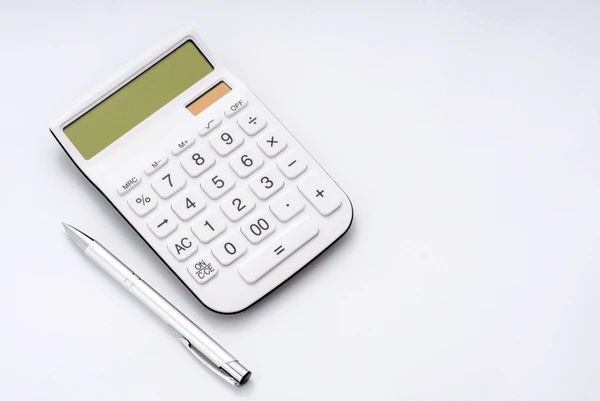
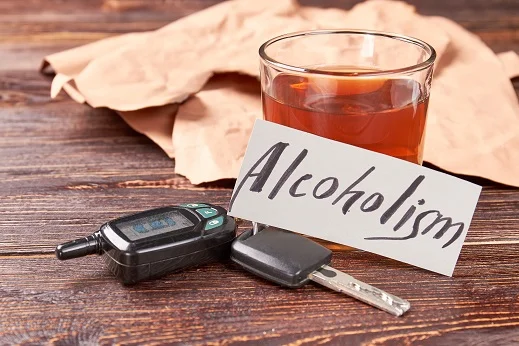
A blood alcohol content calculator is normally popular among individuals who seek to know the impacts of alcohol on the body. Sometimes it’s curiosity. At other times, it is the fear of legal boundaries. In any case, it is for informational, not diagnostic purposes. Blood alcohol content, otherwise known as BAC, is the level of alcohol in your blood. It is in terms of percentages. A BAC of 0.08% implies that there are eight alcohol parts in 10,000 parts of blood.
- Understanding Blood Alcohol Content
- How a Blood Alcohol Content Calculator Works?
- Blood Alcohol Content Calculator and Legal Limits
- What Different BAC Levels Will Do to the Body?
- Why BAC Calculators Have Limits
- Case Study: University Alcohol Safety Program (2024)
- BAC Calculators vs Breathalyzers
- When a Blood Alcohol Content Calculator Is Useful
- Common Misunderstandings About BAC
- Responsible Use of BAC Information
- Conclusion
- FAQs
That number may look small. Its effects are not. Most countries have a legal driving limit of 0.08 percent, including the United States. In other areas, there are even lower limits, particularly in the case of young or commercial drivers. The knowledge of BAC can be used in explaining why these limits exist.
Understanding Blood Alcohol Content
Alcohol uptake in the stomach and small intestine increases the level of BAC. It spreads rapidly to the brain, having influences on judgment and coordination, and reaction time. BAC is affected by a number of factors:
- Body weight
- Biological sex
- Drinking speed
- Alcohol strength
- Food consumption
Alcohol is processed by the liver at a constant rate. It degrades one standard drink on average in an hour. Consumption exceeding that rate results in alcohol build- up taking BAC to greater heights. That is why it is important to have a break between drinks, which most people don’t realize.
How a Blood Alcohol Content Calculator Works?
The vast majority of calculators are based on the Widmark formula. It is an old scientific formula to determine the BAC. The formula applies averages of population as opposed to individual biology. Users typically input:
- Body weight
- Sex
- Number of drinks
- Type of alcohol
- Time spent drinking
- What is obtained is the estimated BAC, not the measured one.
Similar to a concrete calculator utilized in the planning of constructions, it provides instructions on assumptions. It does not substitute the on-site testing or professional judgment.
Blood Alcohol Content Calculator and Legal Limits
Here is something important to know:
United States
- 0.08% for drivers aged 21 and over
- 0.04% for commercial drivers
- 0.02% or lower for drivers under 21
Europe
A majority of countries present a limit of 0.02-0.05 percent, with substantial fines imposed against any breach of the prohibition.
The National Highway Traffic Safety Administration notes that over 13,500 deaths in the U.S. in 2023 were the result of alcohol-impaired driving, with almost a third of traffic deaths. Such laws stand on decades of research on medical and traffic safety.
What Different BAC Levels Will Do to the Body?
- 0.02% – 0.03%
Mild relaxation. Marginal deterioration in divided attention.
- 0.04% – 0.06%
Reduced coordination. Deteriorated tracing of moving objects.
- 0.07% – 0.09%
Evident loss of balance and response time. The ability to drive is severely affected.
- 0.10% and higher
Severe motor impairment. Greater likelihood of injury, black out and accident.
Impairment is proven to occur much earlier than the legal limits.
Why BAC Calculators Have Limits
BAC calculators do not take into consideration:
- Liver health
- Medications
- Hormonal differences
- Hydration levels
An estimated value of BAC may vary with the actual measured BAC by 20-30% in some individuals. It was reported in a 2024 review of the Journal of Studies on Alcohol and Drugs.
That is a huge percentage, particularly around legal lines. This is the reason why we should never use calculators to determine whether we should drive or not.
Case Study: University Alcohol Safety Program (2024)
A major state university in the US made alcohol education mandatory for first-year students in 2024. The program involved a compulsory use of blood alcohol content calculator as well as classroom lessons. Over 2,000 students attended.
Key Findings
- 68% of them underestimated the rate of BAC increase when beverages are taken in a short duration.
- Forty-one percent of them did not know that strong beer and cocktails often exceed one standard beverage.
- The alcohol-related incidents in campuses reduced by a factor of 18% in two semesters after training.
Subsequent surveys revealed that students never used calculators to push limits. They instead relied on them to learn of risk patterns and strategize safer behavior, including spacing drinks or transportation organization. The university decided that BAC calculators are useful learning tools in combination with clear warnings about their limitations.
BAC Calculators vs Breathalyzers
Breathalyzers are used to test alcohol content of breath which is proportional to blood alcohol content. Although the estimates still, they are closer to real-time conditions.
A personal breathalyzer has been made more accurate in recent years, but only law-enforcement-grade ones can be legally accepted. A calculator is used at an earlier stage. It describes trends rather than real impairment.
When a Blood Alcohol Content Calculator Is Useful
A calculator can help:
- Teach the young adults how alcohol impacts.
- Show the impact of strength of drinks on BAC.
- Promote alcohol safety initiatives.
- Cultivate proper planning.
It is a matter of awareness, rather than accuracy.
Common Misunderstandings About BAC
- Coffee does not reduce BAC.
- BAC is not decreased by cold showers.
- Alcohol that is already taken does not get rid of the food.
- It takes time to allow the liver to reduce the levels of blood alcohol.
These facts are supported by the Centers of Disease Control and Prevention. It continues to emphasize that impairment starts at the low levels of BAC.
Responsible Use of BAC Information
The health authorities always recommend that one should not drive in case of drinking, with or without estimation of BAC. In 2024, the CDC once again confirmed that the reaction time and decision-making decrease much beneath 0.08%. This is the reason why there are numerous nations that are thinking of reducing legal limits. BAC instruments must be used to facilitate safer decisions and not justify dangerous ones.
Conclusion
Blood alcohol content calculator helps explain the behavior of alcohol within the human body. It depicts trends, not guarantees. It informs, not measures. When used in the proper way, it endorses education and prevention. When it is misused, it may create false confidence. When it comes to alcohol, the best option always remains the same. Do not drive. Use time, planning, and alternatives to guard yourself and others.
FAQs
What is the accuracy of a blood alcohol content calculator?
It provides an estimate only. Depending on metabolism, health and drinking behavior, actual BAC may be very diverse.
Will a BAC calculator let me know whether I am sober or not?
No. BAC can be measured only through laboratory testing or through breathing. The alcohol levels can only be reduced with time.
Does body weight affect BAC results?
Yes. Estimates can be affected by body weight although this does not disqualify impairment or legal responsibility.
Are BAC calculators accepted by law enforcement?
Legally they are not accepted. Legal determinations rely on approved breath or blood tests.

Alex Morgan is a home improvement enthusiast from the U.S. who loves simplifying complex calculations for builders and DIYers. At TogCalculator.com, Alex shares easy-to-use guides and accurate calculator tools that help homeowners plan smarter projects. His goal is to make construction math simple, reliable, and stress-free for everyone.