Understanding Blood Alcohol Level Calculators – A Practical Guide for Everyday Safety
The speed at which alcohol reacts to the body is something most people do not consider. It is until they need fast answers or it turns out to be a nightmare. If the night starts to feel blurry, or you are trying to find out whether you should head home or stay put. Don’t let things get complicated and use the practical device to keep everything under control. An online blood alcohol level calculator (also known as a BAC calculator) is there to help you. It does not substitute a real test or medical consultation. However, it provides you with an approximate means of determining what happens inside your body once you are drunk.
- What a Blood Alcohol Level Calculator Actually Does
- Why People Use a Blood Alcohol Level Calculator
- How BAC Calculators Work Behind the Scenes
- Why You Shouldn’t Trust How “Sober” You Feel
- The Role of Time (Your Liver Works Slowly)
- Legal Limits and Real-World Consequences
- When a Calculator Helps and When It Doesn’t
- How to Use a Blood Alcohol Level Calculator Responsibly?
- Case Study: How One Company Used BAC Awareness to Reduce Workplace Incidents
- Final Thoughts
- FAQs
What a Blood Alcohol Level Calculator Actually Does
A blood alcohol level calculator approximates the level of alcohol in your blood. It is based on the amount you have consumed, your weight, sex, and how long you have been drinking. It is not a medical device or a perfect measurement tool. It is best to have a better overview before you make your decisions such as driving or even deciding whether to drink more. And as instructed, here is where the term concrete calculator fits in.
A BAC calculator may be helpful, but you need not depend on it fully. It is not able to predict specific metabolism, your health, and how fast your liver is metabolizing the alcohol. However, it remains among the most helpful instruments when you need to obtain a rough estimate in a short time.
Why People Use a Blood Alcohol Level Calculator
These calculators are used by different people due to varying reasons. Others just want to know when they would be sober enough to sleep comfortably. Others test their numbers first before they drive. Yet the best thing they can do is never drive after consuming alcohol. A few reasons stand out:
- Check if the BAC is rising or falling
- Understanding how long it will take to become sober
- Making informed decisions before driving
- To be aware of their own alcohol limitations as opposed to the guesses they make depending on how they feel.
Most of the time, it is a matter of being in control with the use of a calculator.
How BAC Calculators Work Behind the Scenes
The formula used by most calculators is the one by Widmark’s equation. You do not have to remember the formula. All you have to know is what influences the outcome:
- Your weight
- Your biological sex
- The amount of the alcohol you consumed.
- Percentage of alcohol in each drink.
- The hours you are taking to drink.
You get an estimated BAC number like percentage, such as 0.04 percent or 0.12 percent. That figure will tell you the amount of alcohol that is circulating in your blood. Indicatively, this is how it is interpreted in most nations:
- 0.03% – 0.05%: Mild impairment
- 0.08: Driving legal limit in the U.S. and most parts of the world.
- 0.15%+: High impairment; hazardous; threat of power outages.
- 0.30 percent and above: It indicates life in danger.
Why You Shouldn’t Trust How “Sober” You Feel
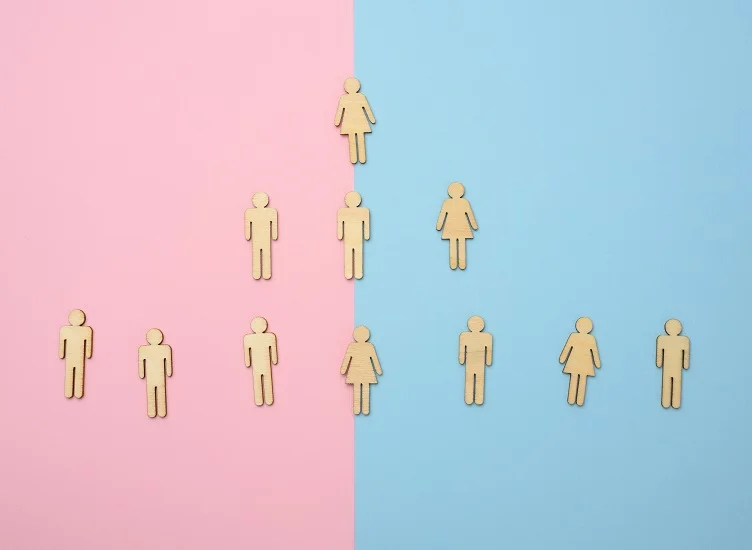
This variation occurs due to the distribution of alcohol varying with the body mass and water content This is the reason why one should not assume that their friend is as sober as they are.
There are always so many individuals who declare that they are fine just before making a dangerous choice. But alcohol does not do that. It is possible to feel alright and yet be above the legal age or be too drunk to respond promptly. The guessing is eliminated with a BAC calculator. It takes your focus off the feeling and gets back to the facts.
Here we will discuss an example of two friends Anna and Mark.
- Anna weighs 60 kg.
- Mark weighs 90 kg.
- Both take three drinks within two hours.
- The calculator shows results that Anna obtained can be around 0.09%.
- Mark may have a figure of near 0.06%.
Same drinks. Same time. Very different results.
The Role of Time (Your Liver Works Slowly)
Alcohol is metabolized at a constant rate in your body, normally at 0.015% BAC per hour. That means a high BAC does not reduce immediately, even if you stop drinking.
When the BAC of an individual is 0.10, they can take six or even more hours to recover back to zero. Coffee doesn’t speed it up. A cold shower does not make it quicker. Only time does. That is why calculations are important to those who would like to spend their night responsibly.
Legal Limits and Real-World Consequences
Strict legal limits of BAC in driving are established in most countries:
- USA: 0.08%
- UK: An approximation of 0.08% (this is slightly different in Scotland).
- Australia: 0.05%
- UAE: Zero tolerance
- Canada: 0.08% and punishments begin at lower levels depending on the province.
These are not mere rules, they are regulation laws supported by fines, jail sentences and suspension of licenses. Government statistics indicate that more than 13,000 people died in the U.S. alone due to alcohol impaired driving in 2023. Numbers like that don’t lie. Even minor wrong calculations can have bad effects. You may refer to official U.S. guidelines.
When a Calculator Helps and When It Doesn’t
Calculators can help you to get an idea of your probable BAC and make better decisions. But it does not help when:
- You are making excuses out of borderline behavior.
- You want “permission” to drive.
- You suppose that the calculator is familiar with your body more than you are.
- It’s an estimate. A smart guess. A helpful tool. No green light to make risky decisions.
How to Use a Blood Alcohol Level Calculator Responsibly?
Take it in the evening before you feel impaired. Repeat it later in case you are not certain of how much drinking you have been doing. And above all, use it as a guide:
- Choosing the time to quit.
- Planning transportation
- Learning the difference between alcohol and you after some time.
- Having a better understanding of your patterns.
A calculator will not manage your night. Yet it will make you more responsible for it.
Case Study: How One Company Used BAC Awareness to Reduce Workplace Incidents
A major Texas construction company had repeated Monday morning safety incidents in 2024. First, nothing huge. slow reaction times, little equipment misuse, and a clear increase in near-miss accidents. Supervisors suspected tiredness, but an internal safety review discovered a pattern related to weekend alcohol consumption.
The company adopted an alternative strategy from penalties, presenting voluntary BAC estimation training for staff. This comprised instruction on the operation of BAC calculators. Moreover, on how long alcohol remains in the body. In six months:
- Near-miss occurrences went down 38%.
- Better planning around weekend drinking was reported by employees.
- Morning delays were reduced
- Early shift supervisors saw increased alertness levels.
The corporation did not limit personal conduct. It just gave employees access to knowledge. Because it lets employees control their decisions without shame or stress. The BAC calculator became among their most valued instruments. This situation showed that knowing BAC is more than just driving. It also helps to create safe workplaces.
Final Thoughts
One of the easiest methods of ensuring that you and other people are safe is by remaining informed. Having a blood alcohol level calculator gives you an idea of what is going on in your system. So you can make better decisions, not perfect ones but better!
FAQs
1. How reliable is a blood alcohol level calculator?
It’s a helpful estimate, not a precise measurement. It can guide you, but it cannot replace a breath test or medical assessment.
2. Can I use a BAC calculator to know if I’m safe to drive?
No, the calculator can’t guarantee legal or safe levels. If you’ve been drinking at all, driving should be avoided.
3. How long does alcohol stay in the body?
Most people metabolize alcohol slowly, about 0.015% BAC per hour. It varies by health, weight, and several biological factors.
4. Does drinking water lower BAC faster?
Water helps with hydration, but it doesn’t lower BAC. Only time allows your body to reduce alcohol levels.

Alex Morgan is a home improvement enthusiast from the U.S. who loves simplifying complex calculations for builders and DIYers. At TogCalculator.com, Alex shares easy-to-use guides and accurate calculator tools that help homeowners plan smarter projects. His goal is to make construction math simple, reliable, and stress-free for everyone.