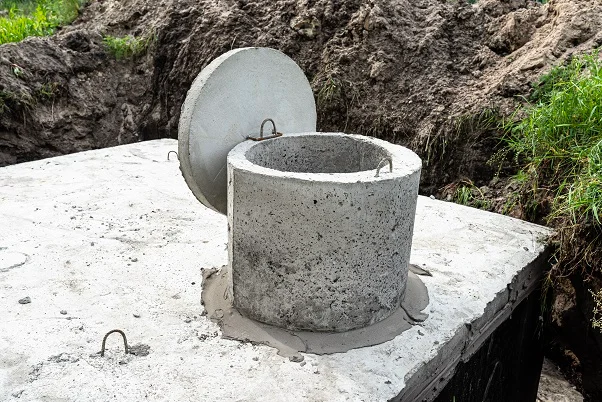
Post Hole Concrete Calculator – How Much Concrete Your Fence Posts Actually Need
Ever tried installing a fence? You must be knowing how difficult it can be. Less concrete than you need, and your posts stumble or fall over in a few months. Excessive amounts will result in cracked up leftover concrete and bags of waste, lying in your garage. A post hole concrete calculator would come in very handy here. First thing, the guess work is eliminated. Moreover, you can determine how much amount you need.
Mistakes can be costly, even the minor ones. According to the National Association of Home Builders, a standard six-foot wooden fence costs homeowners about $3,200 on average, which is roughly $20–50 per linear foot.
Unless you set your posts properly, an error may result in 10-20 percent additional expenses due to repair or wasted materials. Spending a couple of minutes calculating concrete volume correctly can save you hundreds, or even more in the long term.
Why Accurate Concrete Volume Matters
A fence post is not a mere piece of wood; it is the staple of your fence. Add an insufficient amount of concrete and the post will lean, move or even loosen. Pour too much, and you are paying more money on purchasing additional bags that could break or dry unevenly. Getting the volume right can benefit a lot:
Stability: When appropriately set the post, the wind, soil movement, and bumps will not affect it. A study indicates that out of every five years, almost 405 of fences fail because of improper set posts.
Durability: The posts have a higher life span since the correct depth and drainage avoid rot. When properly installed, the fences may last 15-20 years. Whereas the posts that are not correctly installed fail within 7-10 years.
Cost-efficiency: You just purchase what you want. To take a 4×4 post as an example, a hole 12-inch diameter and 3 feet deep will need approximately 2.4 cubic feet of concrete. It translates to approximately 450-pound bags. Eight posts to a 60-foot fence would mean thirty-two bags. Any error by even a bag or two at a time can be added up soon.
How to Use a Post Hole Concrete Calculator?
It is simple whether you are on an online tool or you are calculating it manually:
- Measure your post. Know the width or diameter.
- Choose your hole diameter. Three times the width of the post is a satisfactory rule. In the case of a 4-inch post, that is approximately a 12-inch hole.
- Determine depth. Normally, a third to half of the height of the post extends beneath ground level. In the case of a six-foot fence this is approximately 2.5-3 feet.
- Add a gravel base. The gravel of four to six inches enhances drainage and prevents damage to the wood.
- Divide the quantity of concrete into its volume. The size of the formula is p x radius2 x depth. The post volume can be subtracted or not, and it is automated on most of the calculators.
A calculator will help you not to waste your money and time on purchasing either too much or too little concrete. The most frequent cause of DIY fences failing is miscalculating the volume of concrete and even professionals end up spending more work fixing their posts a second time.
Real-World Example
Suppose you made a six-foot wooden fence on a length of 60 feet of your yard. A distance of eight feet between posts produces eight posts. The holes are 12 inches in diameter and three feet in depth, and the bottom of the holes is covered with four inches of gravel.
- With the formula it requires approximately 2.4 cubic feet of concrete or approximately four bags weighing 50 pounds each at the hole. For all the eight posts there are 32 bags.
When you purchased 40 bags, you would be paying a price of the eight bags remaining in space. With just 20 bags, there would be some posts that are not full and the fence would lean out in the long run. Proper calculations will remove guesswork, and make all posts sound.
Case Study: Backyard Fence Renovation
In 2024, a Kansas City family changed their previous six-foot wooden fence. The former fence boards were leaning and rotting at the bottom. It was because of the drainage. Moreover, it was not constructed properly and the footings were shallow. They resolved to employ the use of a post hole calculator of concrete prior to reconstruction.
- They measured their 4×4 posts and excavated holes with a diameter of 12 inches, 36 inches deep with a four-inch base of gravel.
- About 2.4 cubic feet of concrete (four 50-pound bags) was needed to fill each hole and 32 bags were used to fill all the eight posts.
After the installation, the posts were erect and stable. A powerful storm struck in six months’ time. Where the fences of neighbors (who had older, more shallow footings) were moved or tipped, this one held its own. The family saved a significant amount of money, approximately 15-percent of materials.
They prevented future repair expenses by planning and calculating the volume of concrete. This case proves that it is enough to plan and make a simple calculation. Therefore, it will help avoid headaches in the long run.
Choosing the Right Concrete Mix
Pre-mixed concrete is sold in bags and can be used by DIY. Always mix it with water, dry pouring is simpler, but the footing becomes weak. The gravel at the bottom allows drainage and makes the wood not rot. Slight sloping on the top of the concrete will help you keep the stagnant water from pooling.
Posts need time to settle. Fast-setting concrete holds light panels in 24-48 hours until it reaches full strength in up to 28 days. Obviously, in the case of strong winds or loose soil, you should wait the entire time before putting any pressure.
Even experts observe that improperly drained shallow or narrow posts are the primary cause of failures of fences within the first five years. The initial planning will remove that risk.
Practical Considerations
According to government recommendations from Natural Resources Conservation Service, post holes are to be at least a depth of 24 inches, and three times the diameter. Moreover, it must be properly drained. The standard height of a six-foot fence with 4×4 posts going 30-36 inches deep is common. Either soft soil or the windy areas.
Common Mistakes to Avoid
Setting fence posts has some potential pitfalls to be aware of. Little mistakes can lead to major headaches down the road.
Shallow or narrow holes: Posts need enough space to anchor correctly. If there are narrow holes, the post will waver.
Bypassing gravel: A layer of gravel at the bottom provides more than just extra effort. Water would gather around the post and rot the wood without it.
Pouring dry concrete: Concrete without water won’t hold. Always combine it well to guarantee a solid, durable foundation.
Ignoring soil and weather conditions: When installing posts, consider the local conditions.
Nail the Numbers, Build the Fence Right
Spending some extra time figuring concrete correctly will avoid a lot of annoyance later on. You will know exactly how much material to get. Whether you do the calculations by hand or use a post hole concrete calculator, it will be useful. Your fence will stay straight and solid for years. Especially when your posts are set at the appropriate depth, in the appropriate hole, with the right amount of concrete.
FAQs
How deep should a post hole be for a six-foot fence?
Usually, two and a half to three feet is appropriate. That is roughly one-third to one-half of the post above ground. Especially in loose soil, many constructors go 36 inches to be safe.
Q: For a 4×4 post, how big should the hole be?
A: Around three times the post’s width, which is around 12 inches. This lets the post settle firmly and for concrete to surround it equally.
Q: How many bags of concrete do you need per post?
You will need about four bags for a hole 12 inches across and 36 inches deep.

Alex Morgan is a home improvement enthusiast from the U.S. who loves simplifying complex calculations for builders and DIYers. At TogCalculator.com, Alex shares easy-to-use guides and accurate calculator tools that help homeowners plan smarter projects. His goal is to make construction math simple, reliable, and stress-free for everyone.